Female Founded | Oct 16, 2025
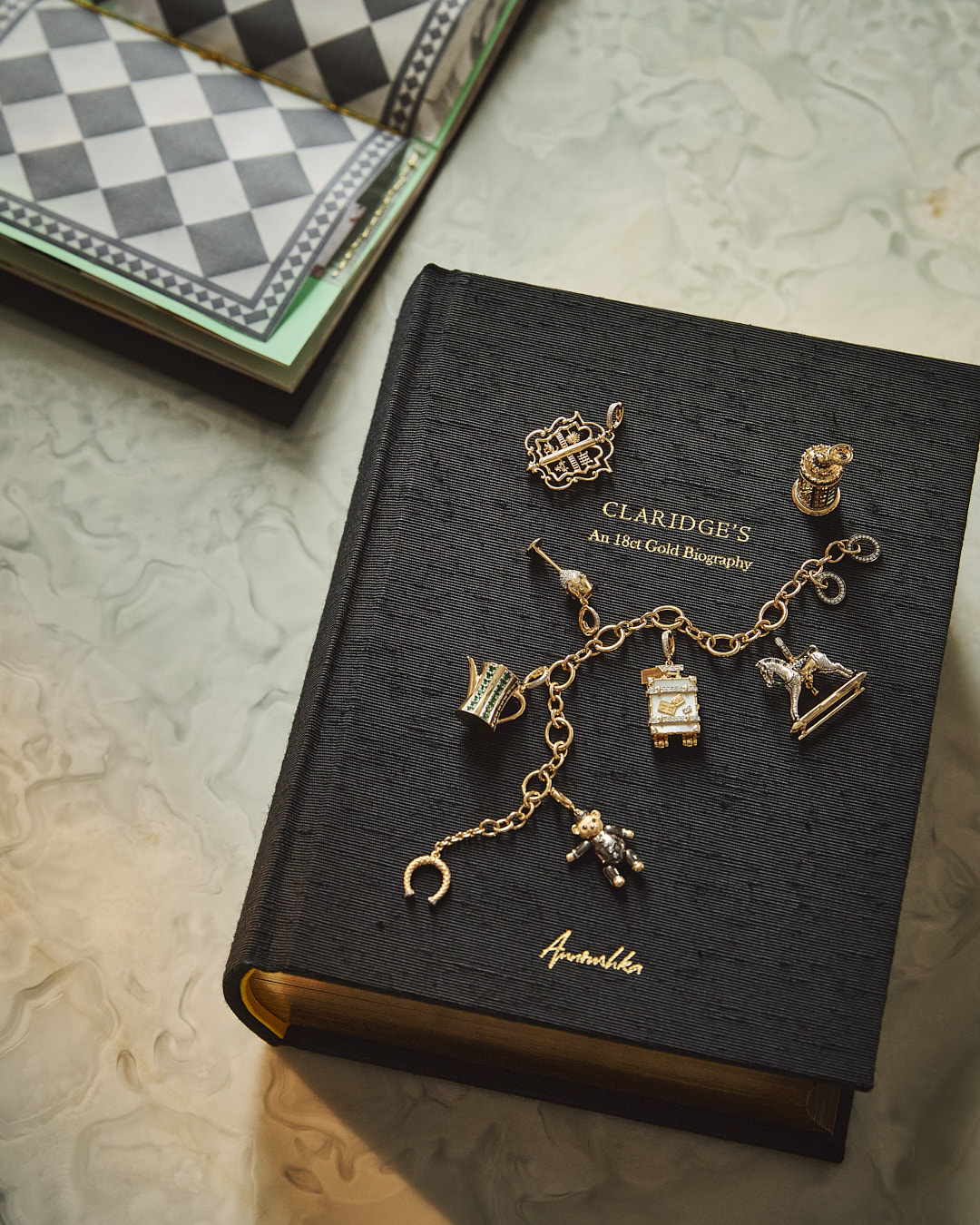
Female Founder: Telah Jewellery

Because We're Obsessed | Aug 1, 2025
SHAPING TASTE
Because We're Obsessed | Feb 12, 2026
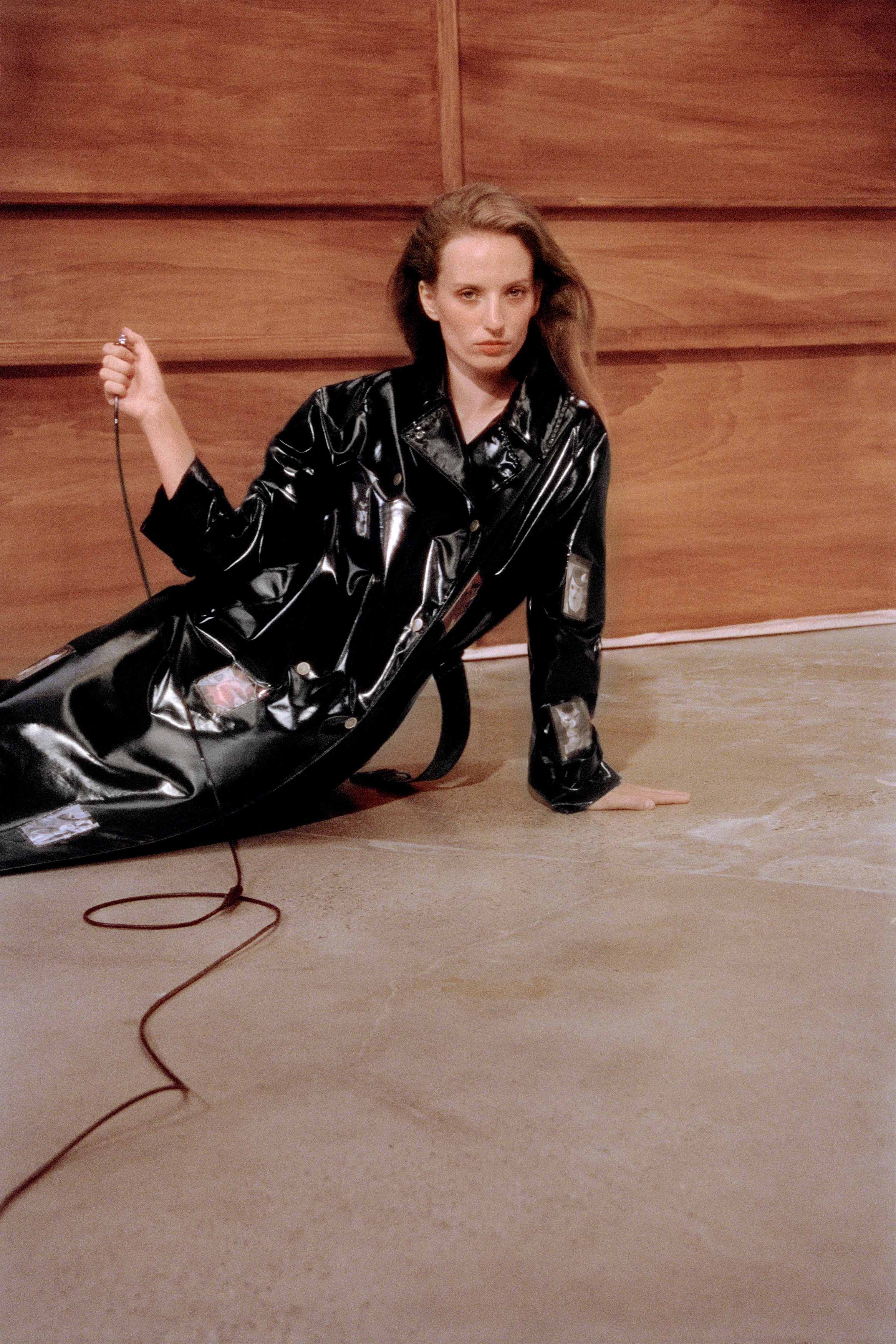
One Trench, Five Ways

Eyes on the Prize
The Max Mara Art Prize for Women has unveiled its 2025-7 shortlist, with five Indonesian artists you need to know.
After twenty years fixed in the heart of East London, the Max Mara Art Prize for Women has set its sights abroad.
For twenty years, the Max Mara Art Prize for Women remained a beloved fixture in the London art scene, hosted biannually as a collaboration between Whitechapel Gallery, London, and the Collezione Maramotti, Italy, the private collection of Max Mara founder Achille Maramotti.
The prize, which aims to elevate female visual artists in their early/mid-career, was founded in 2005 as the first of its kind. Since then, it has championed and nurtured each winner – at such a fervent and critical time in their career – through six-month residencies and twin solo shows in Italy and the competition’s partnered institution, allowing for each artist to get the time and space she deserves. Aiming to identify the best of local talent with each edition, it has come as no surprise that many of previous London-based winners have had much in common, as talented and individual as they all are.

Installation view at MACAN

By Betty Adii
However, now entering its tenth iteration, the prize has fled its Whitechapel nest and turned its attention outward, becoming, in their words, “nomadic”. Going forward, each biannual prize will explore the talent of a new and underrepresented art scene, led and curated by Cecilia Alemani, director and head curator of High Line Art in NYC. The prize will be judged, as always, by a jury of female gallerists, critics, artists, collectors and curators familiar with each particular locale. For the 2025-27 prize they have headed to Indonesia, where they have partnered with the Museum of Modern and Contemporary Art in Nusantara, Jakarta (MACAN), directed by Venus Lau, to curate a shortlist of five talented young women artists based in the country:
Betty Adii (b. 1997, Papua) is a self-taught artist whose sculptures, paintings and installations explore gendered violence and the political struggle of women in Papua, aiming to amplify female Papuan voices and critique the dominant narratives about her homeland.
Dzikra Affrah (b. 1998) is a ceramicist whose novel processes of creation – creating solid sculptures then hollowing them from inside out – allows for pieces which examine the partnership and strife between artist and material.
Ipeh Nur (b. 1993) is a multidisciplinary artist with an interest in regional mythology and in particular the maritime cultures of the Indonesian archipelago, blending the personal with the political in her drawings, paintings, and other works.
Mira Riziki (b. 1994) is a sound-based installation artist whose work explores how our personal contexts – our memories, environments and fears – can influence our perception of and reaction to aural experiences.
Dian Suci (b. 1985) is an artist whose work leans heavily into the idea of space and physicality, often blending installation, sculpture and video. Her experience as a single mother heavily informs her art, intersecting domestic narratives with broader political interrogations into fascism, capitalism, and the patriarchy.
According to Venus and Cecilia, the artists were chosen for their capacity to blend sensitivity with rigour, the personal with the political, and in many cases work across mediums and traditions to build exciting and original practices with profound meanings. It is a fitting adventure for Max Mara, who have always championed female artists in so many ways. This expansion to becoming a globally-minded competition only proves their commitment to exemplifying underrepresented voices, and we’re excited to see where this change in direction takes them in the future.

By Dian Suci